
Enhanced Learning through Collaborative Degrees – Study in India, Earn European Credentials
Education is evolving fast, making global degrees more accessible without relocating or high costs.
View Post



The Bachelors (BS) and Masters (MSc) programme in Artificial Intelligence and Robotics is an industry-aligned, globally benchmarked, practically oriented programme offered by School of Global Studies, JAIN (Deemed-to-be University) in partnership with UCAM University, Spain. The programme in AI and Robotics prepares learners to Design, Build, and Deploy Autonomous and Semi‑Autonomous Systems that operate safely in the real world.
A Complete and Transparent Overview of Every Fee That Applies to Your Programme of All Applicable Charges
Annual Tuition Fee: INR 7,00,000.00
Application Fee: INR 5,000.00
| Award | Tuition Waiver |
|---|---|
| Platinum Scholarship (Top 10 Ranks) | 100% |
| Gold Scholarship | 75% |
| Silver Scholarship | 50% |
| Merit Award | 30% |
| Achievement Award | 20% |
Assessment focuses on production-grade artifacts, solution case presentations, and evaluation by industry juries
Equal emphasis on mechatronics, embedded systems, and AI, balancing hardware and software development
Features live projects, apprenticeships, and venture studio immersions in direct collaboration with industry partners
Advanced tracks in Autonomous Vehicles, Drones, Humanoids, and Bio-Robotics provide a clear future-ready pathway
A structured track moving from product studios to MVPs, pilots, and GTM strategies with incubation support
Safety, privacy, and environmental impact are not just taught but are graded outcomes of the programme



International Immersion :
Spain | Dubai | Australia | Vietnam

Build an AI Robot

Global Semester / Short-term
Exchange
@ UCAM, Murcia, Spain
Methodology and Innovation.
01
Advanced Pedagogy Framework
Embedded with Advanced Pedagogical Practices to enhance knowledge retention, skill orientation, digital dexterity, entrepreneurial mindset, ability enhancement and development of integrative competencies

02
Design-to-Product Studios
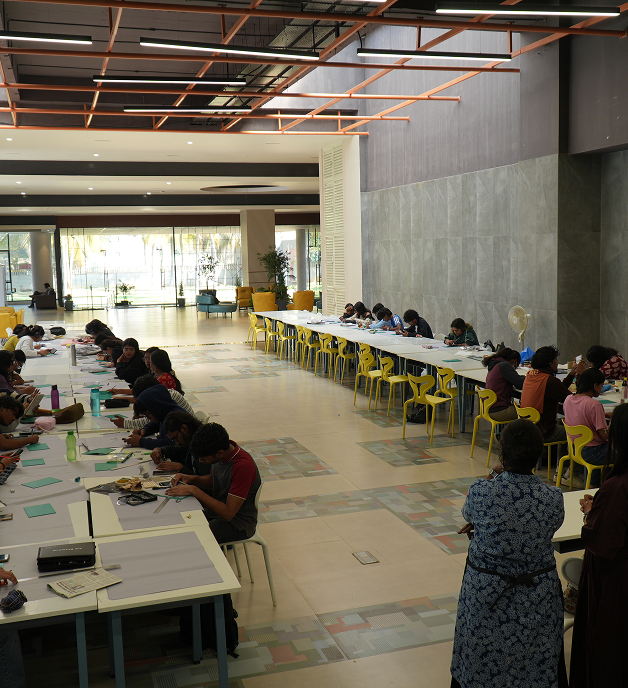
Design-to-Product Studios to develop systems thinking and solutions mindset starting each project with a creative problem, defining KPIs, building the feature / solution plan and culminating in deployable solutions
03
Production-Grade Learning
Production-Grade Learning Practices to help learners align their outcomes to industry needs and approaches through reviews, tests, experiment tracking, end-point inferencing, and continuous monitoring

04
Real-World Case Learning
Real-World Case with Indian and Global problem statements (open and partner -provided) to align all learning to create impactful industry and societal outcomes

05
Dual-Mentor Model
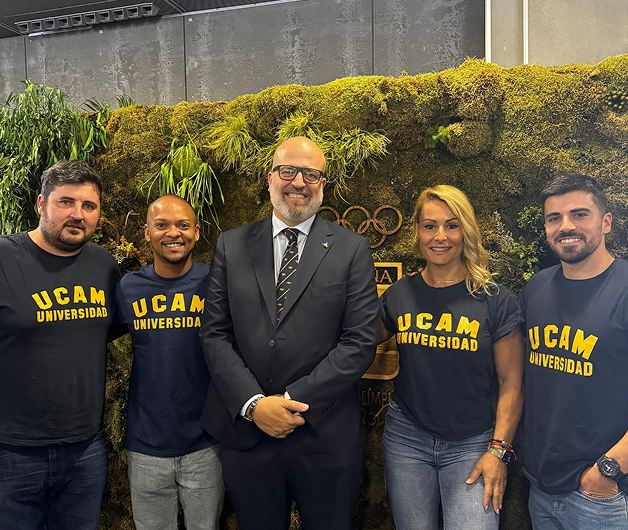
Dual-Mentor Model by engagement of academic and industry mentors for studios, projects, internships and apprenticeships
06
Innovative Assessment Mix
Innovative Assessment Mix to evaluate development of skills and competencies that include 50% continuous assessments, 20% multi-term practical and 30% final demo / jury / viva / product or solution pitch with reproducible artefacts

07
Safety Clinics and Research Hotspots
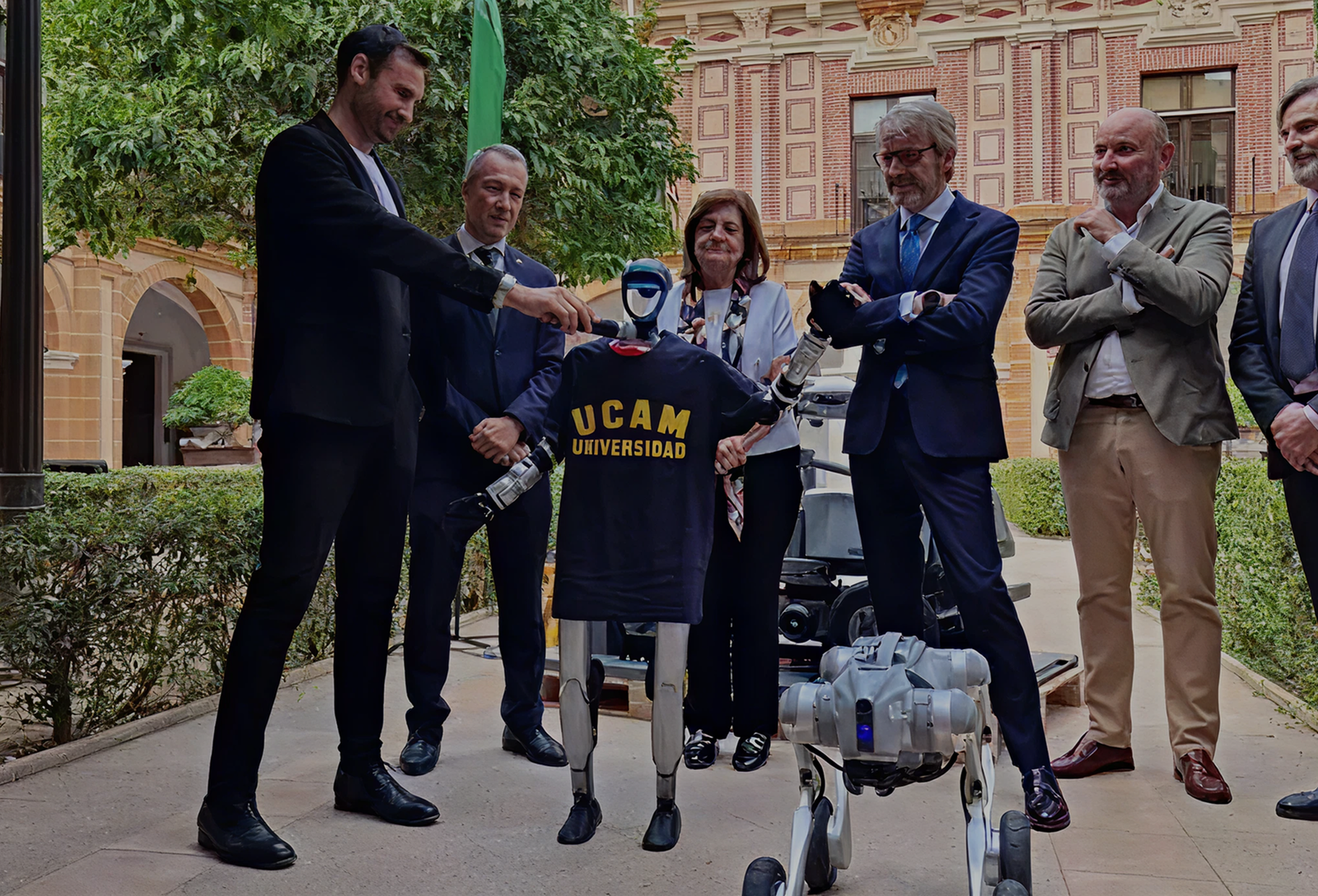
Safety Clinics and Research Hotspots to enhance research-based learning and learning while doing through red-teaming sessions, hackathons and ideathons, incident post-mortems, and publishable and patentable works approach
08
Global Masterclasses
Global Masterclasses conducted by faculty and industry experts from across the globe, entrepreneur shadowing week, etc

09
Learning Analytics and Competency Transcripts
Learning Analytics and Competency Transcripts to get a better understanding of real outcomes through the learning journey, enabling students to course-correct and do remedials for better learning experience

Graduates will establish successful careers as AI engineers, robotics or automation engineers, embedded AI developers, or related roles by integrated knowledge of AI, robotics, and computing
Graduates will design, build, and deploy intelligent robotic and cyber-physical systems by combining algorithmic intelligence, sensing, control, and system integration for real-world applications
Graduates will develop safe, ethical, inclusive, and sustainable AI-driven robotic solutions, considering societal needs, human factors, privacy, and operational safety
Graduates will drive innovation by turning ideas into prototypes, MVPs, and venture outcomes across automation, healthcare, logistics, mobility, agriculture, and smart infrastructure
Graduates will pursue advanced learning, certifications, research exposure, or postgraduate studies and continuously adapt to fast-evolving AI, robotics platforms, and industry standards





Future-Ready Programmes Across Disciplines:
SoGS is academically anchored by JAIN (Deemed-to-be University) and UCAM University, Spain, ensuring strong governance, academic rigor, and institutional credibility.

JAIN (Deemed-to-be University) India's fastest-growing university

UCAM Spain Europe's innovation-driven Catholic university
 Uncategorized
Education is evolving fast, making global degrees more accessible without relocating or high costs.
View Post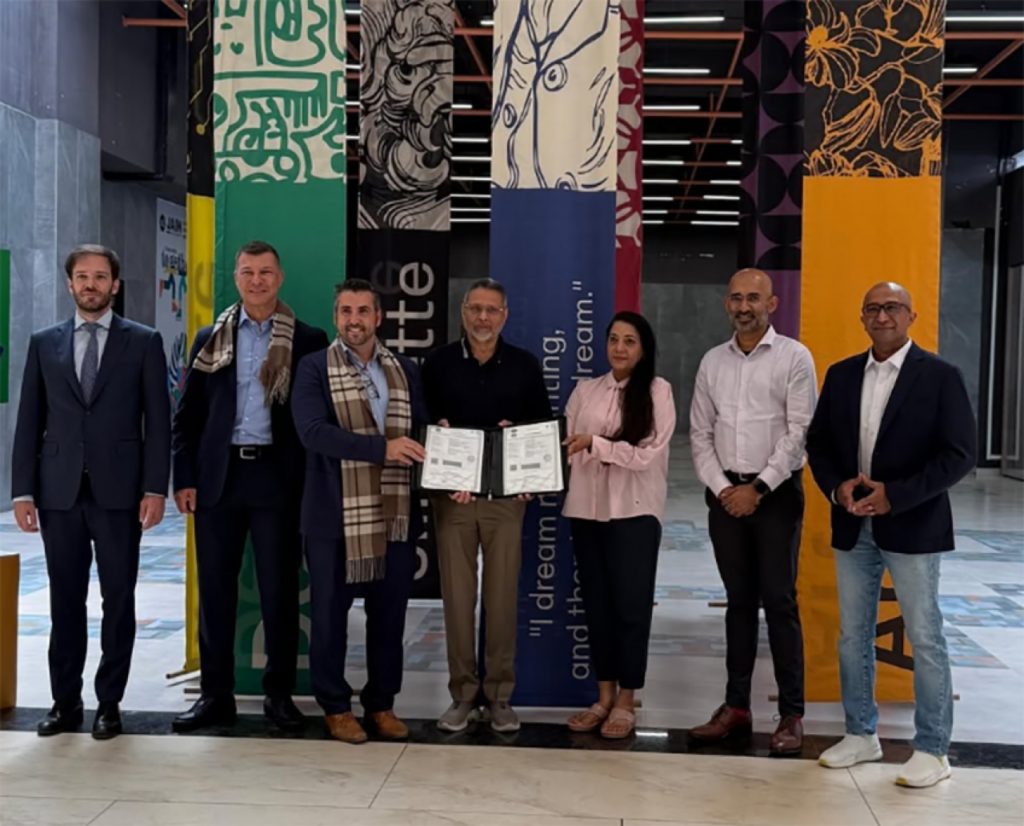 Uncategorized
Both institutions will work together focusing on academic excellence, innovation and global engagement.
View Post Research & Innovation Desk
Exploring how ESG, digital tools, and responsible leadership are shaping global education frameworks.
View Post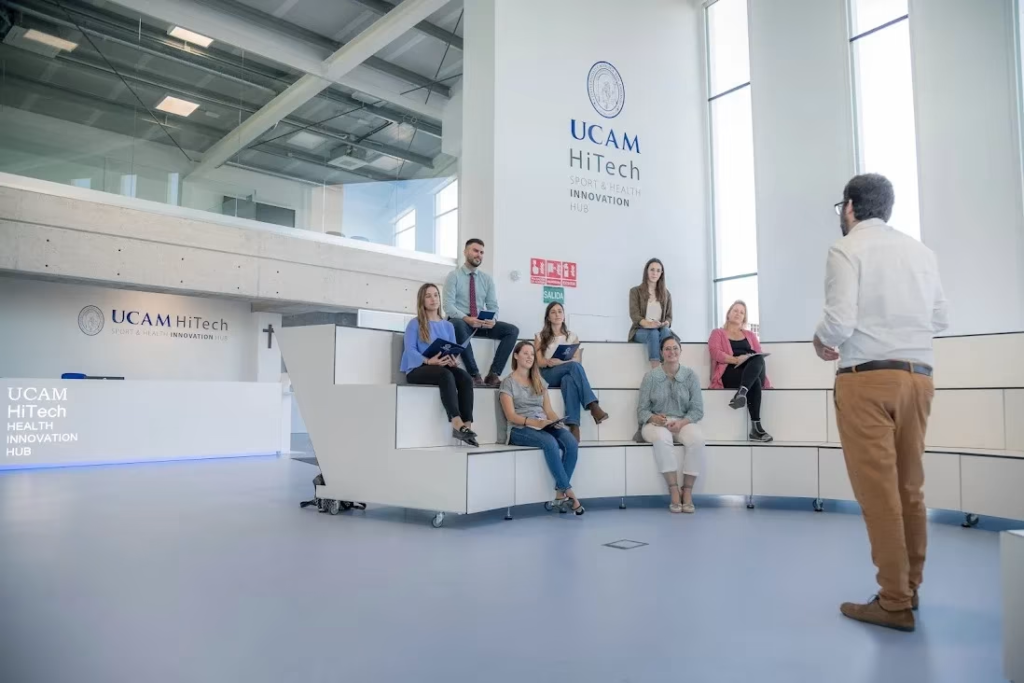 SOGS Student Voice
A student’s journey through international exposure, cross-cultural learning, and global academics.
View Post Industry Expert Panel
Industry perspectives on skills, mindset, and global exposure needed in hospitality and experience-led sectors.
View Post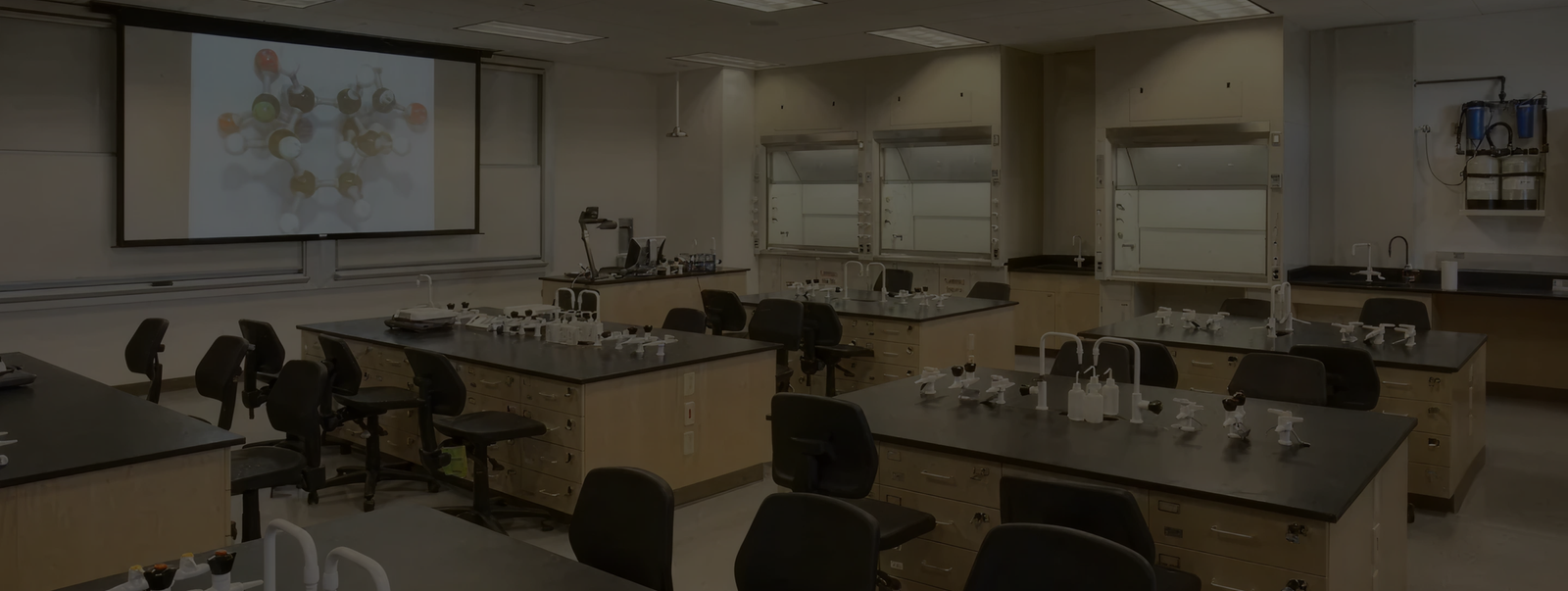
If you need personalised guidance or clarity before applying, our admissions advisors are here to help.
Talk to an Advisor